- drpsk88@gmail.com
- +91 9940161615
- Open Hours: 24/7 Opeing


Laparoscopic Surgery
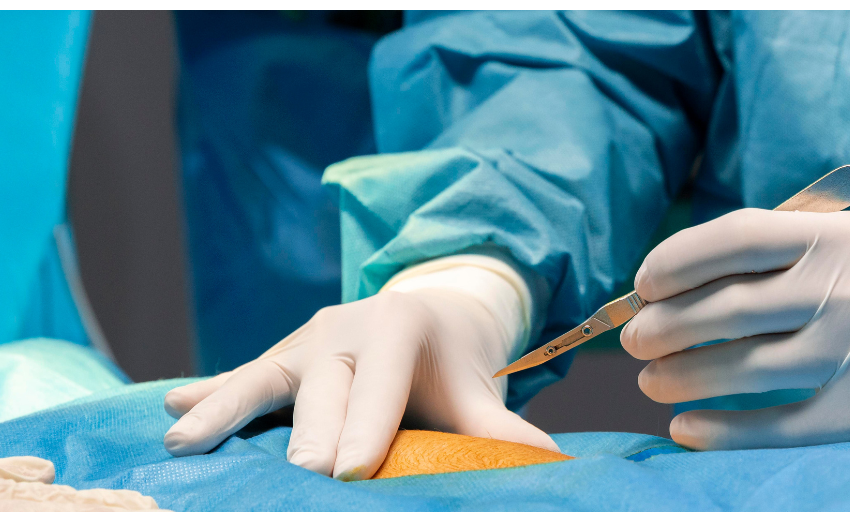
Laparoscopic & Minimally Invasive Surgical Procedures | Laparoscopic Surgery & Advanced Minimally Invasive Care in Ramapuram, Chennai
Advanced, Precision-Guided Laparoscopic Surgical Care
As a General and Laparoscopic Surgeon practicing in Ramapuram, Chennai. I perform advanced laparoscopic and minimally invasive procedures for abdominal and gastrointestinal conditions with structured surgical planning and evidence-based protocols. Currently associated with Sri Ramachandra Medical Centre and Palaniyappa Multispeciality Hospital, where operations are carried out in a monitored and standardized surgical environment. Minimally invasive surgery allows me to treat conditions through small incisions while maintaining clear internal visualization. This approach reduces tissue trauma and supports faster functional recovery when clinically appropriate. Every surgical recommendation I make follows detailed clinical evaluation and imaging confirmation. Careful case selection ensures both safety and durable outcomes. My priority remains controlled execution with predictable healing.
Laparoscopic surgery requires disciplined technique and careful intraoperative judgment. I evaluate whether minimally invasive surgery is suitable before proceeding. If open surgery provides a safer alternative in a specific situation, I recommend it without hesitation. Structured pre-operative assessment, anesthesia clearance, and postoperative supervision form essential parts of my surgical protocol. Performing procedures in a fully equipped hospital setting ensures continuous monitoring. Clear communication helps patients understand realistic expectations. Long-term functional stability guides every decision.
Core Surgical Approach
- I confirm diagnosis before recommending surgery
- I review imaging findings carefully.
- I select the safest surgical method.
- I operate under monitored hospital protocols.
- I prioritize precision over speed.
- I plan recovery from the beginning.
Understanding Minimally Invasive Surgical Techniques
Laparoscopic surgery involves inserting a thin camera into the abdominal cavity through a small incision. Carbon dioxide is used to create space for precise instrument handling. The magnified internal view allows me to clearly identify anatomical structures before proceeding. Specialized instruments are introduced through additional ports to complete the procedure. This method reduces the need for large open incisions. Controlled tissue handling improves recovery response. Continuous monitoring ensures stability throughout the operation. Structured surgical steps maintain safety and clarity.
Minimally invasive surgery in Ramapuram combines technology with clinical expertise. Advanced energy devices help manage bleeding with precision. I remain vigilant during every stage of the procedure to prevent avoidable complications. Conversion to open surgery is considered only when it enhances patient safety. Each operation follows established clinical standards. Experience strengthens intraoperative confidence. The technique supports efficient yet cautious execution. Safety remains uncompromised.
- A camera guides every procedure.
- Small ports provide surgical access.
- Visualization is magnified clearly.
- Bleeding is controlled carefully.
- Monitoring remains continuous.
- Sterility standards are maintained.
Key Technical Features
Conditions I Commonly Manage
I perform laparoscopic surgery for gallstones, appendicitis, hernia, pancreatic disorders, hepatobiliary conditions, and selected gastrointestinal problems. Early evaluation helps prevent complications such as obstruction or infection. Imaging studies confirm anatomical suitability before planning intervention. Each case undergoes structured assessment before finalizing the approach. Not every condition requires immediate surgery. Suitability depends on symptom severity and overall health status. Proper timing improves recovery outcomes. Individualized care ensures safe resolution.
Bariatric surgery is considered after detailed metabolic evaluation. Diagnostic laparoscopy may assist in assessing unclear abdominal pain. Pancreatic and liver-related procedures require advanced planning due to anatomical complexity. Hernia repair benefits from minimally invasive mesh techniques. Gallbladder removal is frequently performed laparoscopically. Appendix surgery is often completed through minimal access. Each intervention follows strict safety protocols. Long-term function remains central.
- Gallstones causing repeated pain.
- Acute or recurrent appendicitis.
- Hernia with progressive swelling.
- Pancreatic conditions requiring intervention
- Hepatobiliary disorders needing correction.
- Bariatric surgical indications.
Common Indications
Advanced Surgical Procedures Performed
At Palaniyappa Multispeciality Hospital, I perform a wide range of advanced laparoscopic procedures under monitored care. These include gallbladder surgery, appendix surgery, and hernia repair using minimally invasive methods. Pancreatic surgery and hepatobiliary procedures are conducted with careful anatomical planning. Bariatric surgery is offered when clinical eligibility criteria are met. Laser-assisted laparoscopic techniques may be applied in selected cases. Robotic gastrointestinal procedures are considered for complex surgical needs. Each procedure is selected based on safety and diagnostic clarity.
Gallbladder removal is commonly performed using laparoscopic cholecystectomy. Appendix surgery is completed through small incisions to reduce recovery time. Hernia repair follows structured mesh placement techniques. Pancreatic surgery requires advanced control and precision. Hepatobiliary surgery demands careful handling near vital structures. Bariatric procedures follow strict evaluation protocols. Every operation is performed under standardized monitoring. Recovery pathways are clearly defined.
- I perform laparoscopic gallbladder surgery.
- I conduct minimally invasive appendix surgery.
- I repair hernias using mesh techniques.
- I manage pancreatic surgical cases.
- I perform hepatobiliary procedures carefully.
- I offer bariatric surgery after evaluation.
Procedures Included
Laparoscopic & Minimally Invasive Surgical Procedures Offered
As a General and Laparoscopic Surgeon in Ramapuram, I perform a range of minimally invasive procedures using structured surgical techniques and advanced visualization systems. Each procedure is planned based on clinical diagnosis, imaging findings, and patient-specific considerations. The objective is precise correction with minimal tissue trauma and structured recovery.
Below is an overview of commonly performed laparoscopic and minimally invasive surgical procedures.
Surgical Procedures Overview
| Procedure Name | Condition Treated | Surgical Approach | Recovery Focus |
|---|---|---|---|
| Laparoscopic Gallbladder Surgery | Gallstones, cholecystitis | Small-incision camera-guided removal | Early mobilization and pain control |
| Laparoscopic Appendix Surgery | Acute appendicitis | Minimally invasive appendectomy | Infection prevention and wound care |
| Laparoscopic Hernia Repair | Inguinal, ventral, umbilical hernia | Mesh reinforcement via laparoscopy | Abdominal wall stability |
| Bariatric Surgery | Morbid obesity | Advanced minimally invasive technique | Metabolic improvement and weight loss |
| Pancreatic Surgery | Tumors, cysts, pancreatitis | Complex laparoscopic or open approach | Structured ICU monitoring if required |
| Hepatobiliary Surgery | Liver and bile duct disorders | Precision-based laparoscopic resection | Organ function preservation |
- Smaller incisions reduce tissue trauma.
- Magnified visualization improves precision.
- Blood loss is minimized during surgery.
- Post-operative pain is generally reduced.
- Hospital stay is often shorter.
- Recovery is typically faster than open surgery.
Key Advantages of Minimally Invasive Surgery
Determining Surgical Suitability
Before recommending surgery, I carefully assess medical history, imaging findings, and overall health status. Severe inflammation or prior abdominal surgeries may influence feasibility. My responsibility is to recommend the safest pathway rather than the most convenient one. Structured evaluation minimizes avoidable risk. Transparent discussion clarifies realistic expectations. Each surgical decision is individualized. Patient stability remains the primary concern.
While hospital infrastructure supports safe execution, surgical judgment determines outcomes. Proper case selection improves predictability. Pre-operative preparation enhances intraoperative control. Conversion to open surgery is discussed beforehand when necessary. Clear explanation reduces uncertainty. Evidence-based standards guide final recommendations. Structured assessment builds trust. Safety remains central.
- Diagnosis must be clearly established.
- Imaging must confirm feasibility.
- Medical fitness must be stable.
- Risks must be explained openly.
- Alternatives must be discussed.
- The surgical plan must be individualized.
Suitability Criteria
When to Seek Evaluation
Persistent abdominal pain should not be ignored. Recurrent gallbladder attacks or enlarging hernia swelling require assessment. Repeated appendicitis episodes demand timely consultation. Delayed evaluation can increase surgical complexity. Early intervention allows planned surgery instead of emergency procedures. Structured review clarifies the safest option. Timely care improves outcomes. Consultation reduces uncertainty.
Minimally invasive surgery is considered when medical management no longer provides relief. Symptoms affecting daily function warrant evaluation. Imaging confirms the underlying cause before planning intervention. A balanced discussion supports informed decisions. Surgical timing plays a critical role in recovery. Ethical guidance ensures clarity. Early action reduces risk. Safety remains central.
- Persistent abdominal pain needs review.
- Hernia swelling should be evaluated.
- Recurrent vomiting requires attention.
- Repeated gallbladder attacks need care.
- Sudden severe pain needs urgent review.
- Symptoms affecting routine need consultation.
Warning Signs
Surgical Infrastructure and Patient Care Standards
The safety and consistency of laparoscopic and minimally invasive surgery in Ramapuram depend not only on surgical expertise but also on the clinical environment in which the procedure is performed. I carry out advanced laparoscopic procedures at Sri Ramachandra Medical Centre and Palaniyappa Multispeciality Hospital, where structured operating room protocols and standardized perioperative systems are maintained. High-definition laparoscopic imaging systems allow precise visualization during abdominal and gastrointestinal procedures. Advanced energy devices support controlled dissection and hemostasis. Continuous anesthesia monitoring ensures stability throughout the operation. Sterile operating environments reduce infection risk. A coordinated surgical team enhances procedural safety and efficiency.
Postoperative care remains equally important in minimally invasive surgery. Patients are monitored in supervised recovery units immediately after the procedure. Pain management follows established clinical protocols tailored to the type of surgery performed. Early mobilization is encouraged when medically appropriate to reduce complications. Infection prevention measures are strictly implemented. Clear discharge instructions guide patients regarding activity progression and dietary adjustments. Structured follow-up appointments allow assessment of healing and functional recovery. A well-organized hospital system strengthens predictable outcomes and overall surgical safety.
- Advanced laparoscopic systems are available.
- High-definition visualization improves accuracy.
- Continuous anesthesia monitoring is maintained.
- Sterile operating protocols are followed.
- Supervised recovery areas are available.
- Structured follow-up care is ensured.
Clinical Support for Minimally Invasive Surgery
Why I Prefer the Minimally Invasive Approach When Appropriate
When clinically appropriate, minimally invasive surgery offers measurable advantages. Smaller incisions typically reduce post-operative discomfort. Early mobilization supports quicker return to activity. High-definition visualization enhances surgical accuracy. Reduced tissue handling may improve the healing response. These advantages contribute to smoother recovery. However, safety protocols must always guide the approach. Careful planning ensures consistency.
Choosing laparoscopy does not eliminate surgical risk. Continuous monitoring remains essential. Experience improves complication prevention. Ethical practice ensures surgery is recommended only when necessary. Post-operative supervision supports durable outcomes. Clear communication strengthens patient trust. Precision and responsibility define my approach. Long-term stability remains the goal.
- Incisions remain small and controlled.
- Visualization improves surgical precision.
- Recovery tends to be faster.
- Infection risk is generally reduced.
- Hospital stay is often shorter.
- Long-term outcomes are prioritized.
Benefits of This Approach
Pre-Operative Planning
Every surgery begins with a detailed evaluation. Laboratory tests assess overall fitness. Imaging confirms anatomical clarity. Anesthesia clearance ensures procedural safety. Risk factors are identified early. Structured preparation reduces uncertainty. Instructions are explained clearly. Informed consent reflects shared understanding.
Surgical strategy is defined before entering the operating room. Emergency readiness is ensured. Transparent communication builds reassurance. Preparation improves efficiency. Anticipation of complexity enhances safety. Structured evaluation strengthens predictability. Precision begins before the procedure. Planning supports success.
- Clinical examination is completed.
- Imaging confirms the diagnosis.
- Lab tests assess fitness.
- Anesthesia clearance is obtained.
- Risks are explained clearly.
- Consent is documented properly.
Pre-Operative Steps
Safety and Monitoring During Surgery
During surgery, I rely on high-definition visualization for accurate identification of structures. Controlled instrument movement reduces tissue injury. Continuous monitoring maintains patient stability. Sterile protocols are strictly maintained. Team coordination enhances safety. Emergency preparedness ensures rapid response. Each step follows clinical standards. Vigilance remains constant.
Unexpected findings are managed calmly. Conversion to open surgery is performed only when necessary. Surgical judgment guides every decision. Precision reduces complications. Monitoring continues until stability is confirmed. Safety is never compromised. Structured execution supports optimal outcomes. Responsibility remains continuous.
- Surgery is performed under full monitoring.
- Tissue handling is carefully controlled.
- Bleeding is managed promptly.
- Sterility is strictly maintained.
- Team coordination is structured.
- Safety decisions are immediate.
Safety Standards
Post-Operative Recovery
Recovery is typically smoother after minimally invasive surgery. Smaller incisions allow earlier movement. Pain control is managed systematically. Oral intake resumes gradually. Discharge depends on stability. Wound care instructions are provided clearly. Follow-up ensures healing progression. Monitoring prevents complications.
Activity restrictions are explained clearly. Heavy lifting is avoided temporarily. Dietary advice varies by procedure. Warning signs are discussed beforehand. Early communication improves management. Structured follow-up builds reassurance. Recovery plans are individualized. Long-term well-being remains central.
- Walking is encouraged early.
- Pain is managed appropriately.
- Diet progresses gradually.
- Wounds are kept clean.
- Heavy lifting is restricted.
- Follow-up visits are scheduled.
Recovery Guidance
Risk Awareness and Responsibility
All surgeries carry some degree of risk. Laparoscopic surgery is generally safe under structured standards. Possible risks include bleeding or infection. Thorough evaluation reduces these risks. Transparent counseling supports realistic expectations. Continuous monitoring enhances safety. Early recognition allows prompt intervention. Responsibility continues beyond surgery.
Conversion to open surgery is considered only when it improves safety. Post-operative review ensures stable healing. Patients are informed about warning signs. Structured discharge planning reduces uncertainty. Vigilance continues after discharge. Ethical guidance builds trust. Accountability remains consistent. Safety is prioritized.
- Risks are explained clearly.
- Monitoring continues after surgery.
- Complications are addressed promptly.
- Conversion is done for safety.
- Warning signs are discussed openly.
- Follow-up ensures stability.
Risk Considerations
Commitment to Expertise
Advanced laparoscopic surgery requires continuous learning. Structured training strengthens technical precision. Experience improves intraoperative judgment. Evidence-based protocols guide every procedure. Clear communication supports patient confidence. Accountability defines practice standards. Discipline ensures consistency. Safety remains uncompromised.
Ongoing evaluation continues after recovery. Follow-up ensures stable progress. Questions are addressed promptly. Structured review reduces complications. Long-term functional recovery is monitored. Responsible care extends beyond surgery. Ethical standards guide decisions. Precision defines outcomes.
- Training focuses on advanced techniques.
- Experience improves surgical judgment.
- Protocols follow evidence-based standards.
- Communication remains transparent.
- Follow-up care is structured.
- Patient safety is prioritized.
Professional Commitment
Dedicated to Safe and Structured Outcomes
Successful laparoscopic surgery depends on preparation, precision, and follow-up working together. From consultation to recovery, every stage follows defined protocols. Performing procedures at Palaniyappa Multispeciality Hospital ensures structured monitoring and standardized surgical care. Minimally invasive surgery in Ramapuram can deliver reliable results when executed with discipline and clarity. Patient selection, surgical precision, and follow-up supervision all contribute to success. Long-term stability remains central. Structured communication supports confidence. Responsible surgical care defines my practice.
The measure of success is sustained recovery and restored function. Clear guidance ensures understanding throughout the journey. Experience supports calm management of complexity. Ethical responsibility shapes every recommendation. Precision and safety remain inseparable. Trust is built through transparency. Structured surgical care remains consistent. Patient welfare remains central.
- Care begins with careful evaluation.
- Planning supports safe execution.
- Monitoring continues through recovery.
- Communication remains clear.
- Follow-up ensures stable healing.
- Patient welfare remains central.
Ongoing Focus on Well-Being
If you are experiencing persistent abdominal pain, recurrent gallbladder attacks, hernia swelling, or symptoms affecting daily life, early evaluation is essential. Delaying consultation can increase surgical complexity and recovery time. As a General and Laparoscopic Surgeon at Palaniyappa Multispeciality Hospital, I provide structured assessment and evidence-based care for laparoscopic surgery in Ramapuram.
A timely consultation ensures accurate diagnosis, clear treatment planning, and safe surgical decision-making. Schedule an appointment for a detailed evaluation and individualized guidance.
Book your consultation today for safe and structured surgical care.
Frequently Asked Questions
-
01What is laparoscopic surgery?
Laparoscopic surgery is a minimally invasive surgical technique performed through small incisions using a camera and specialized instruments. The camera provides a magnified internal view, allowing precise surgical correction with reduced tissue trauma compared to traditional open surgery.
-
02Is laparoscopic surgery safe?
Laparoscopic surgery is generally safe when performed by a trained General and Laparoscopic Surgeon in a properly equipped hospital setting. As with any surgery, risks exist, but careful patient selection, pre-operative evaluation, and intraoperative monitoring significantly reduce complications.
-
03 How long does it take to recover from laparoscopic surgery?
Recovery time depends on the type of procedure performed and individual health factors. Many patients resume routine activities within one to two weeks, while more complex procedures may require longer recovery under structured follow-up supervision.
-
04 Is laparoscopic surgery painful?
Post-operative discomfort is usually less compared to open surgery because the incisions are smaller. Pain is managed with structured medication protocols, and early mobilization supports smoother recovery.
-
05 Who is eligible for minimally invasive surgery in Ramapuram?
Patients with gallstones, hernia, appendicitis, bariatric indications, and selected gastrointestinal conditions may be eligible. Suitability is determined after detailed clinical evaluation, imaging studies, and overall health assessment.

